Why the NC Desmos Graphing Calculator is Changing Math

The Digital Transformation of Mathematics in North Carolina
Mathematics education is undergoing a fundamental shift from rote memorization to conceptual visualization. In the classrooms of North Carolina, this transition is being driven by a specific digital tool that has become a staple for both students and educators. The nc desmos graphing calculator represents more than just a software application; it is a gateway to understanding the abstract relationships between numbers, variables, and geometric shapes.
As state standards evolve to emphasize mathematical modeling and data analysis, the reliance on traditional, physical handheld devices has begun to wane. The move toward cloud-based, interactive platforms allows for a more dynamic classroom environment where mistakes are not permanent errors but rather visual data points that can be adjusted in real-time. This immediacy is crucial for developing the intuition required for higher-level calculus and statistics.
For students navigating the complexities of the North Carolina Standard Course of Study, having access to a robust digital interface is no longer a luxury—it is a necessity. The integration of the nc desmos graphing calculator into daily lesson plans ensures that learners can bridge the gap between algebraic equations and their visual representations, fostering a deeper level of cognitive engagement with the subject matter.
The Complete Overview of NC Desmos Graphing Calculator
The nc desmos graphing calculator is a web-based mathematical engine designed to provide high-level graphing capabilities through a browser-based interface. Unlike traditional calculators that rely on physical buttons and small, monochromatic screens, this digital iteration offers a high-resolution canvas where functions can be plotted, manipulated, and analyzed with surgical precision. It supports a vast array of mathematical operations, ranging from basic arithmetic to complex trigonometric and logarithmic functions.
In the context of North Carolina's educational ecosystem, this tool is often integrated into specific curriculum frameworks to ensure that students are prepared for standardized testing and collegiate-level mathematics. By utilizing the nc desmos graphing calculator, educators can create interactive "activities" that guide students through discovery-based learning, rather than simply providing them with the answers. This approach turns the calculator from a passive tool into an active participant in the learning process.
Historical Background and Evolution
The journey of graphing technology began with bulky, specialized hardware that was often prohibitively expensive for many school districts. These early devices were revolutionary but lacked the connectivity and intuitive user interfaces required for modern collaborative learning. As computing power became more accessible, the focus shifted from hardware-centric solutions to software-driven platforms that could run on any device with an internet connection.
The emergence of Desmos as a dominant force in the edtech sector marked a turning point. By prioritizing user experience and mathematical accuracy, the platform moved away from the "button-pushing" mentality of the 1990s and toward a "visual exploration" model. The specific implementation of the nc desmos graphing calculator reflects the regional need to align digital tools with North Carolina's specific academic benchmarks, ensuring that the software serves the curriculum rather than complicating it.
Table of Contents
- The Digital Transformation of Mathematics in North Carolina
- The Complete Overview of NC Desmos Graphing Calculator
- Historical Background and Evolution
- Core Mechanisms: How It Works
- Key Benefits and Crucial Impact
- Major Advantages
- Comparative Analysis
- Future Trends and Innovations
- Conclusion
- Comprehensive FAQs
- Q: Is the nc desmos graphing calculator free for students to use?
- Q: Can I use the nc desmos graphing calculator on a tablet?
- Q: How does this tool help with North Carolina standardized testing?
- Q: Does the calculator support 3D graphing?
- Q: Can teachers track student progress in real-time?
Core Mechanisms: How It Works
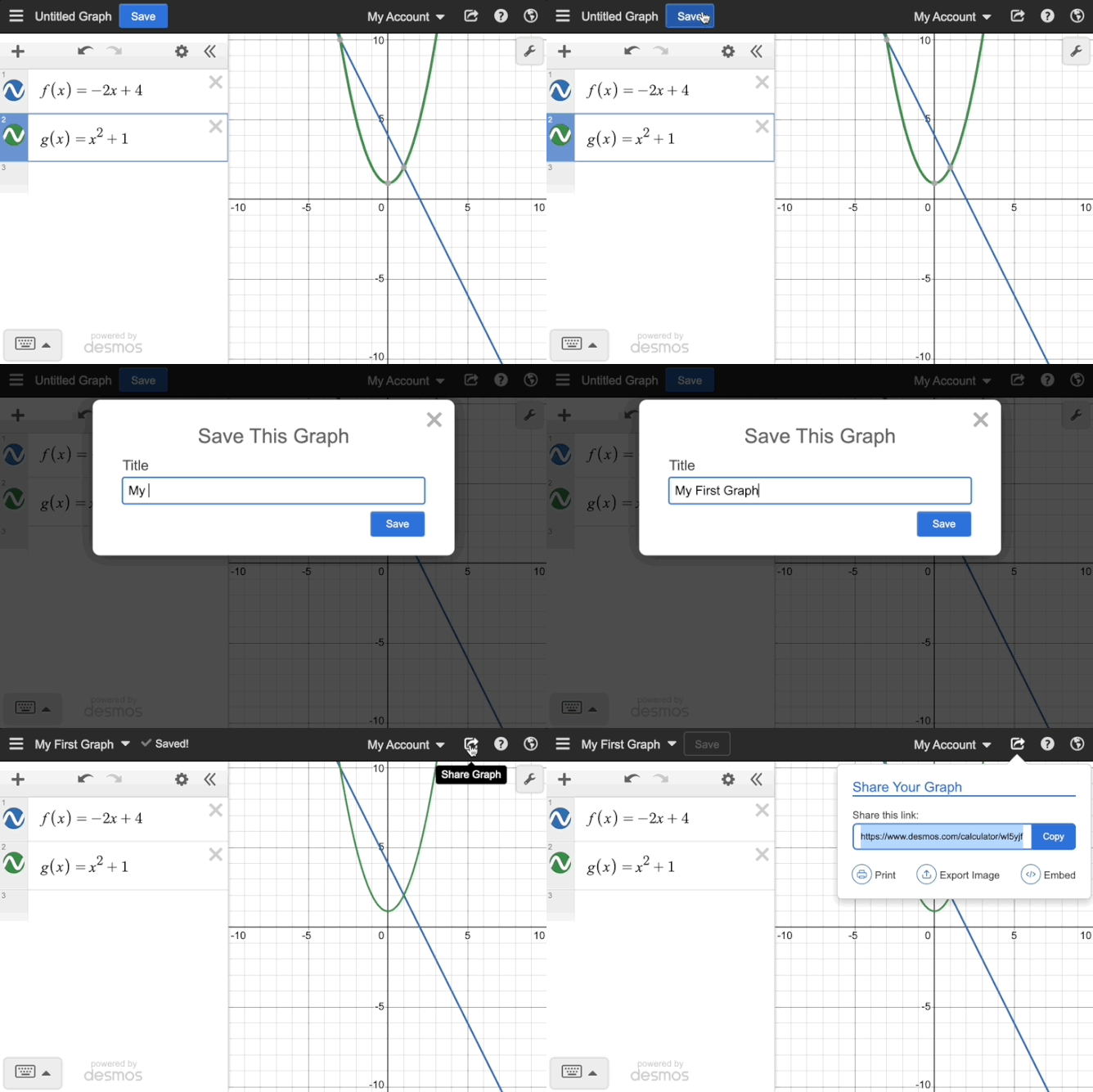
At its technical core, the nc desmos graphing calculator operates through a sophisticated rendering engine that translates algebraic syntax into Cartesian coordinates. When a user inputs an equation, the software parses the mathematical expression, calculates the corresponding y-values for a vast range of x-values, and renders a smooth curve on the coordinate plane. This process happens almost instantaneously, allowing for the immediate observation of how changing a single coefficient affects the entire graph.
Furthermore, the tool utilizes a "slider" mechanism, which is perhaps its most powerful functional attribute. By assigning a variable to a slider, users can observe the continuous transformation of a function as the variable's value changes. This mechanism is vital for teaching the concept of transformations—shifts, stretches, and reflections—allowing students to see the direct relationship between a numerical value and a geometric movement.
Key Benefits and Crucial Impact
The impact of adopting the nc desmos graphing calculator extends far beyond the simple ability to draw lines on a screen. It fundamentally alters the way students perceive mathematical truth. Instead of accepting a solution as a static number, they see it as a dynamic relationship. This shift is essential for building the mathematical literacy required in an increasingly data-driven professional landscape.
For teachers, the tool provides a platform for differentiated instruction. Because the nc desmos graphing calculator is accessible via laptops, tablets, or even smartphones, it allows students to work at their own pace and explore mathematical concepts through various modes of interaction. This flexibility is a cornerstone of modern pedagogy, helping to close achievement gaps in diverse classroom settings.
"Mathematics is not about numbers, equations, computations, or algorithms: it is about understanding." — William Paul Thurston
Major Advantages
- Real-Time Visual Feedback: Students receive immediate visual confirmation of their algebraic inputs, which reinforces the connection between symbols and shapes.
- Accessibility and Cost-Effectiveness: As a web-based tool, the nc desmos graphing calculator eliminates the need for expensive hardware replacements, making high-level math accessible to all students regardless of socioeconomic status.
- Interactive Exploration: The use of sliders and dynamic variables encourages a "what if" mindset, driving curiosity and deeper conceptual inquiry.
- Standardized Test Alignment: The interface is designed to mirror the digital testing environments that students will encounter in state-mandated assessments.
- Collaborative Potential: Teachers can deploy classroom activities that allow for real-time monitoring of student progress and instant feedback loops.
Comparative Analysis
| Feature | Traditional Handheld Calculator | NC Desmos Graphing Calculator |
|---|---|---|
| Visual Interface | Small, monochromatic LCD screen | High-resolution, color-coded canvas |
| Function Manipulation | Static; requires re-calculation | Dynamic; uses interactive sliders |
| Cost to District | High (per-unit hardware cost) | Low (browser-based/software) |
| Connectivity | None (standalone device) | High (cloud-based/syncing) |

Future Trends and Innovations
Looking ahead, the integration of artificial intelligence within the nc desmos graphing calculator ecosystem appears inevitable. We can expect to see more intelligent tutoring systems embedded directly within the interface—tools that can detect a student's specific misconception based on their graphing patterns and provide targeted scaffolding. This would move the tool from a calculator to a personalized mathematical coach.
Additionally, the convergence of augmented reality (AR) and digital graphing is a burgeoning frontier. Imagine a student using a mobile device to project a 3D representation of a complex function onto their physical desk, interacting with the nc desmos graphing calculator through spatial gestures. This level of immersion would further bridge the gap between abstract theory and tangible reality, making mathematics more intuitive than ever before.
Conclusion
The adoption of the nc desmos graphing calculator represents a significant milestone in the modernization of mathematics education in North Carolina. By providing a tool that prioritizes visualization, interactivity, and accessibility, the state is equipping its students with the cognitive tools necessary for success in a complex, technical world. The transition from static to dynamic learning is not merely a change in technology, but a change in mindset.
As we move further into the digital age, the importance of such tools will only increase. The ability to visualize data, model complex systems, and explore mathematical relationships through the nc desmos graphing calculator is a foundational skill that will serve students long after they leave the classroom. It is an investment in mathematical literacy that promises long-term dividends for the next generation of thinkers, engineers, and problem-solvers.
Comprehensive FAQs
Q: Is the nc desmos graphing calculator free for students to use?
A: Yes, the primary graphing calculator interface is a free web-based tool available to anyone with an internet connection. While some advanced classroom activity features may be managed through school accounts, the core graphing functionality is accessible at no cost.
Q: Can I use the nc desmos graphing calculator on a tablet?
A: Absolutely. The platform is highly responsive and optimized for touchscreens, making it an excellent tool for students using iPads or Android tablets in the classroom.
Q: How does this tool help with North Carolina standardized testing?
A: Many modern digital assessments are moving toward browser-based interfaces. By using the nc desmos graphing calculator, students become familiar with the digital environment, the input methods, and the visual logic they will encounter during high-stakes testing.
Q: Does the calculator support 3D graphing?
A: Yes, Desmos has expanded its capabilities to include 3D graphing, allowing students to visualize surfaces and complex spatial relationships that go beyond the standard 2D Cartesian plane.
Q: Can teachers track student progress in real-time?
A: Yes, when teachers use the Desmos Classroom platform, they can view a dashboard that shows how every student is interacting with the mathematical tasks, allowing for immediate intervention and support.
Leave a Comment
Comments are moderated before appearing. The data you submit is processed according to the Privacy Policy of cixa.org.