Why using complete sentences. scroll down to view additional questions. online matters
Precision in digital communication serves as the invisible architecture of professional credibility. When an individual chooses to communicate with clarity, they are not merely transmitting data; they are establishing a reputation. In an era defined by rapid-fire messaging and fragmented syntax, the decision to prioritize structured thought reflects a high level of cognitive discipline and respect for the recipient.
The nuance of tone is often lost in the void of the internet. Without the benefit of facial expressions or vocal inflection, the structural integrity of a message becomes the primary carrier of intent. A fragmented thought can be interpreted as apathy, whereas a well-constructed statement signals competence. This distinction is particularly vital in high-stakes environments, such as remote corporate leadership or academic discourse.
As we navigate increasingly complex digital landscapes, the ability to maintain linguistic standards becomes a differentiator. Whether one is participating in a formal forum or a professional email chain, the habit of using complete sentences. scroll down to view additional questions. online ensures that the message remains unassailable. This article examines the profound implications of syntax in the digital age and how structured writing influences human connection.
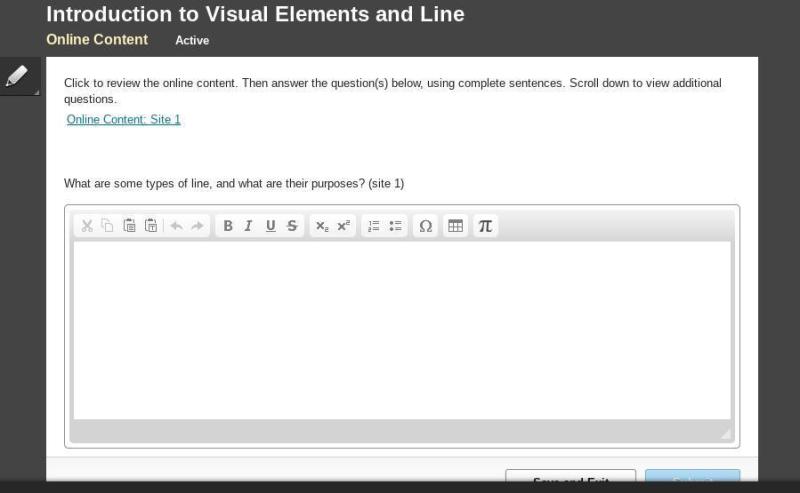
The Complete Overview of Digital Syntax and Structure
Digital syntax refers to the arrangement of words and the grammatical rules that govern communication within virtual spaces. While the internet has popularized a shorthand language—composed of acronyms, emojis, and clipped phrases—the necessity for formal structure remains unchanged for serious discourse. Effective communication requires a balance between speed and accuracy, ensuring that the core message is not sacrificed for the sake of brevity.
The practice of using complete sentences. scroll down to view additional questions. online acts as a stabilizer in the chaotic flow of information. By adhering to standard grammatical conventions, users reduce the cognitive load on their readers. When a sentence is complete, the reader does not have to guess the subject or the predicate, allowing them to focus entirely on the substance of the argument rather than the mechanics of the delivery.
Historical Background and Evolution
Historically, written communication was a slow, deliberate process. From the handwritten correspondence of the 18th century to the formal telegraphy of the 19th, the structure of language was dictated by the physical constraints of the medium. Every word carried weight because the cost of error was high. This era established the foundational rules of grammar that we still follow today, emphasizing clarity, punctuation, and logical progression.
Table of Contents
- The Complete Overview of Digital Syntax and Structure
- Historical Background and Evolution
- Core Mechanisms: How It Works
- Key Benefits and Crucial Impact
- Major Advantages
- Comparative Analysis
- Future Trends and Innovations
- Conclusion
- Comprehensive FAQs
- Q: Why is it important to use complete sentences in professional emails?
- Q: Does using complete sentences make me look too formal for social media?
- Q: How can I improve my ability to write complete sentences online?
- Q: Is it ever acceptable to use fragments in digital communication?
- Q: How does sentence structure affect SEO and readability?
The transition to the digital era introduced a period of linguistic erosion. The advent of instant messaging and SMS culture encouraged a "telegraphic" style of writing, where brevity was prioritized over correctness. However, as the internet evolved from a niche hobbyist tool into the primary infrastructure for global commerce and education, a counter-movement emerged. Professionals realized that maintaining high linguistic standards was essential for maintaining authority in a decentralized world.
Core Mechanisms: How It Works
The mechanism of effective digital writing relies on the interplay between syntax, semantics, and context. Syntax provides the skeleton, semantics provides the meaning, and context provides the nuance. When a user engages in using complete sentences. scroll down to view additional questions. online, they are essentially employing a protocol that ensures the "packet" of information is delivered without corruption. A complete sentence functions as a self-contained unit of meaning, minimizing the risk of misinterpretation.
Furthermore, the cognitive processing of structured text is more efficient. The human brain is trained to recognize patterns in language. When a sentence follows a standard subject-verb-object pattern, the brain can process the information almost instantaneously. In contrast, fragmented text requires the brain to perform "error correction," which consumes mental energy and can lead to fatigue or frustration in the reader. Therefore, structured writing is a form of user-experience design for the mind.
Key Benefits and Crucial Impact
The impact of disciplined writing extends far beyond the immediate recipient. It influences how an individual is perceived within a hierarchy, how ideas are debated in public forums, and how knowledge is preserved. In a digital ecosystem where everything is recorded and searchable, your writing becomes a permanent part of your professional footprint. High-quality syntax acts as a shield against the perception of unprofessionalism.
Moreover, the clarity provided by structured sentences fosters a more inclusive environment. Language that is overly reliant on slang or fragmented shorthand can alienate non-native speakers or those from different cultural backgrounds. By adhering to universal grammatical standards, we create a common ground that facilitates smoother global collaboration. The decision to commit to using complete sentences. scroll down to view additional questions. online is, in many ways, an act of digital empathy.
"The clarity of our thought is mirrored in the clarity of our expression; to write poorly is to think poorly."
Major Advantages
- Enhanced Credibility: Demonstrates a high level of education and attention to detail, which is critical in professional settings.
- Reduced Ambiguity: Minimizes the chance of misunderstandings that lead to errors in task execution or interpersonal conflict.
- Improved Persuasion: A well-structured argument is more logically sound and easier for an audience to follow and accept.
- Professional Authority: Establishes a commanding presence in digital discussions, making your contributions more impactful.
- Cognitive Efficiency: Allows readers to absorb information quickly without the need for mental reconstruction of fragmented thoughts.

Comparative Analysis
| Feature | Fragmented Digital Shorthand | Structured Complete Sentences |
|---|---|---|
| Clarity | Low; prone to multiple interpretations. | High; precise and unambiguous. |
| Perception | Casual, potentially unprofessional. | Authoritative, disciplined, and serious. |
| Speed of Reading | Fast for the writer; slow for the reader. | Moderate for the writer; fast for the reader. |
| Contextual Utility | Limited to informal social interactions. | Universal; suitable for all professional tiers. |
Future Trends and Innovations
As artificial intelligence becomes more integrated into our writing processes, the definition of "correct" writing is shifting. Large language models are trained on vast datasets of structured text, meaning that the standard for "good" writing is being reinforced by machine learning. We are likely to see a future where AI-driven grammar assistants move beyond simple spell-checking to providing real-time stylistic coaching, helping users maintain high standards of syntax in real-time.
However, there is also a growing movement toward "intentionality" in communication. As automated content floods the internet, human-authored, deeply structured, and thoughtful prose will become a luxury good. The ability to communicate complex, nuanced ideas through the deliberate use of complete sentences. scroll down to view additional questions. online will become a premium skill, distinguishing human experts from generative algorithms. The value of the human voice lies in its ability to navigate complexity with grace.

Conclusion
The evolution of digital communication does not necessitate the abandonment of linguistic rigor. While the speed of the internet demands efficiency, it does not demand the sacrifice of clarity. By choosing to communicate through structured, complete thoughts, we elevate the quality of our digital interactions and protect our professional reputations. The subtle art of syntax remains one of the most powerful tools in a communicator's arsenal.
Ultimately, the way we write reflects how we value our audience and our own ideas. Whether you are drafting a formal report or participating in a high-level industry discussion, the commitment to using complete sentences. scroll down to view additional questions. online ensures that your voice is heard with the respect it deserves. In a world of noise, clarity is the ultimate signal.
Comprehensive FAQs
Q: Why is it important to use complete sentences in professional emails?
A: Complete sentences convey professionalism and respect for the recipient's time. They ensure that your message is clear, reducing the likelihood of mistakes caused by misinterpretation. In a professional context, your writing is often the first impression you make, and structured syntax signals competence and attention to detail.
Q: Does using complete sentences make me look too formal for social media?
A: It depends on the platform and the context. While casual platforms like X (formerly Twitter) or Instagram allow for more brevity, using proper structure in a comment or a long-form post can actually help your ideas stand out. It provides a sense of authority and makes your content more readable and shareable.
Q: How can I improve my ability to write complete sentences online?
A: The best way to improve is through deliberate practice and reading. Read high-quality journalism and literature to internalize proper sentence structures. Additionally, use digital tools like grammar checkers not just to fix errors, but to understand why a certain structure was incorrect.
Q: Is it ever acceptable to use fragments in digital communication?
A: Yes, in highly informal settings such as instant messaging with friends or family, fragments are acceptable and often more efficient. However, the rule of thumb is to assess your audience. If there is any doubt about whether the setting is formal enough, err on the side of using complete sentences.
Q: How does sentence structure affect SEO and readability?
A: Search engines and readers both value clarity. While SEO is primarily driven by keywords, readability is a major factor in user engagement metrics. If your content is difficult to read due to poor syntax, users will bounce from your site quickly, which negatively impacts your search rankings. Structured writing keeps users engaged longer.
Leave a Comment
Comments are moderated before appearing. The data you submit is processed according to the Privacy Policy of cixa.org.